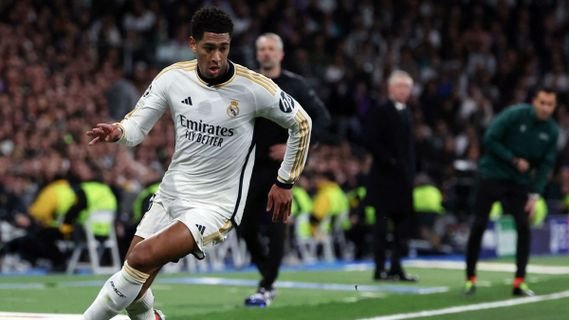
For any ardent football fan, fantasy league manager, or savvy sports bettor, understanding the Estado de Lesionados y Sancionados—the detailed status of player injuries and suspensions—isn't just a nicety; it's absolutely crucial. A single yellow card, a pulled hamstring, or a disciplinary ban can dramatically shift team dynamics, alter match outcomes, and throw a wrench into your carefully crafted fantasy lineup or betting slip. Forget generic pre-match chatter; getting accurate, timely information on who's in and who's out is the bedrock of informed football engagement.
This isn't merely about knowing if a player is injured, but what kind of injury, the estimated recovery time, and how it impacts their availability for upcoming fixtures. Similarly, a suspension isn't just a missed game; it could be a key midfielder missing a crucial derby, or a star striker sidelined for multiple matches due to a direct red card. Staying ahead of these developments empowers you to predict, react, and appreciate the beautiful game on a deeper level.
At a Glance: What You'll Learn
- Why player availability matters: Its profound impact on team performance, tactics, and your own enjoyment of the game.
- Deciphering injury reports: Understanding common injury types, their severity, and typical recovery timelines.
- Navigating suspension rules: How yellow card accumulations, direct red cards, and disciplinary actions affect player eligibility.
- Where to find reliable information: Best sources and practices for tracking real-time injury and suspension updates.
- The ripple effect: How key absences force tactical changes and create opportunities for other players.
- Common pitfalls to avoid: Misinterpreting reports and falling for misinformation.
Why Player Availability Is the Unsung Hero of Football Analysis
You're geared up for the weekend's biggest match, expecting to see your favorite stars battle it out. Then, minutes before kick-off, news breaks: the team's talismanic midfielder is out with a knock, or their rock-solid center-back is serving a one-match ban. Suddenly, your pre-match predictions, your fantasy points, and even your enjoyment of the game hang in the balance. This is the power of the Estado de Lesionados y Sancionados.
Understanding who is available to play is perhaps the single most impactful piece of pre-match information. It dictates formations, influences coaching decisions, affects team morale, and can swing betting odds dramatically. For managers, it's a constant headache, forcing them to adapt and trust squad depth. For fans, it's a detective game, piecing together clues to understand potential outcomes.
Decoding the Injury Report: More Than Just "Out"
An injury isn't a monolithic event. From a minor "knock" to a season-ending ligament tear, the devil is in the details. Knowing the specific type of injury gives you a far better grasp of a player's likely absence and how it affects their return to form.
Common Injury Types and What They Mean
Football is a high-impact sport, and injuries are an unfortunate but inevitable part of the game. Here's a breakdown of common injuries, often seen in official reports like those from leading clubs:
- Muscle Injuries (Hamstring, Quadriceps, Calf Strains): These are perhaps the most common. A "strain" or "tear" indicates damage to muscle fibers.
- Recovery: Varies significantly based on grade. A Grade 1 strain (minor) might mean 1-3 weeks out, while a Grade 3 tear (severe) could sideline a player for 2-3 months. For instance, a player like Rodrygo might experience "Molestias físicas" (physical discomfort) or a more defined "Lesión muscular" (muscle injury) or "Lesión en los isquiotibiales" (hamstring injury), with recovery potentially ranging from a few days to several weeks.
- Ligament Injuries (Knee – ACL, MCL; Ankle – Lateral Ligament): These are often more severe and require longer rehabilitation.
- Recovery: Ankle sprains (like a "Lesión de tobillo" Ferland Mendy might face) can range from a few weeks to several months depending on severity. Cruciate ligament ruptures (ACL) are among the most feared, typically requiring 6-9 months, sometimes more, for recovery and return to play. K. Mbappé experiencing a "Lesión de rodilla" (knee injury) could signify anything from a minor bruise to a more serious ligament issue, with very different timelines.
- Tendinous Injuries (Achilles, Patellar Tendon): Damage to the tough tissues connecting muscle to bone.
- Recovery: Tendon injuries, such as Éder Militão's "Lesión en el tendón," often require a significant period of rest and targeted rehabilitation. They can be notoriously slow healers, sometimes keeping players out for months.
- Bone Injuries (Fractures, Stress Fractures): Breaks in bones, often from impact or repetitive stress.
- Recovery: Varies massively based on the bone and type of fracture. A small metatarsal fracture could be 6-8 weeks, while a more complex bone break could mean months.
- Concussion/Head Injuries: A serious concern, requiring strict protocols for return to play.
- Recovery: Mandatory rest periods and gradual return-to-sport protocols are in place, typically meaning a player misses at least one match, but potentially longer if symptoms persist.
- Illness: Fever, gastrointestinal issues, flu.
- Recovery: Usually short-term, from a few days to a week. For example, a player like Raúl Asencio sidelined by "Fiebre" or Dani Ceballos with "Problemas gastrointestinales" might be back in action for the very next game or the one after.
Understanding Estimated Return Dates
Club statements, and sports news sites often provide estimated return dates, sometimes expressed as "A principios de Febrero" (Early February) or "A finales de Enero" (Late January). It’s critical to remember these are estimates. Recovery is not always linear. A player might experience a setback, or their rehabilitation could progress faster than expected. Always treat these dates as guides, not guarantees.
The Disciplinary Side: Navigating Suspensions
While injuries are physiological setbacks, suspensions are disciplinary actions that render a player ineligible. These are typically more straightforward to track but can be just as impactful.
Types of Suspensions
- Yellow Card Accumulation: In many leagues, players are suspended for one match after accumulating a certain number of yellow cards (e.g., 5, 10, 15). These resets often occur at specific points in the season.
- Example: A combative midfielder picking up their fifth yellow card in a league match will miss the next domestic league fixture.
- Direct Red Card: A serious foul or unsporting conduct leading to an immediate dismissal.
- Recovery: Typically results in an automatic one-match ban for the next fixture in the same competition. More severe offenses (e.g., violent conduct, abusive language) can lead to bans of 2, 3, or even more matches. Joan Martínez receiving a "Tarjeta roja (directa)" would likely face such an immediate ban.
- Second Yellow Card (leading to Red): Two yellow cards in a single match result in a red card and an immediate dismissal.
- Recovery: This typically incurs a one-match ban, similar to a direct red for a less severe offense.
- Disciplinary Bans: Issued by league or FA committees for off-field incidents, breaches of conduct, or appeals against red cards being rejected. These can vary widely in length.
- Example: A player involved in an altercation after a match could face a multi-game ban following an investigation.
- International Commitments: While not a "suspension" in the disciplinary sense, players like Brahim Díaz might be "Ausente por compromisos internacionales" (absent due to international commitments), effectively making them unavailable for club matches during those periods.
The Impact of Suspensions
A suspended player often creates a direct void that a manager must fill. Unlike injuries, which can sometimes have ambiguous return dates, suspensions are definitive. This allows managers to plan, but it removes the element of hope that a player might recover ahead of schedule. Knowing the specific reason for a suspension helps you gauge the club's disciplinary issues and potential future risks.
The Data Maze: Where to Find Reliable "Estado de Lesionados y Sancionados"
In today's interconnected world, information is everywhere, but reliable information is gold. For player status, it's crucial to consult trustworthy sources.
Official Club Channels
- Club Websites and Social Media: These are often the first and most accurate places for official injury updates. Clubs typically issue medical reports or brief statements.
- Manager Press Conferences: Pre-match press conferences are invaluable. Managers often provide direct updates on player fitness, offering insights into availability and potential return timelines. Listening to these directly or reading transcripts from reputable journalists is key.
Reputable Sports News Outlets
- Specialized Football News Sites: Websites like Relevo.com and Besoccer.com, as cited in our context, are excellent examples. They aggregate information from various sources, including official club statements and insights from local journalists who cover specific teams daily. They often have dedicated sections for "Lesionados y Sancionados."
- National Sports Broadcasters/Newspapers: Major sports sections of national newspapers and broadcasters often have dedicated reporters covering individual clubs, providing in-depth, localized information.
Fantasy Sports and Betting Sites (with caution)
- Data Aggregators: Many fantasy sports platforms and betting sites provide injury and suspension lists. While convenient, always cross-reference with primary sources. These sites sometimes lag in updating or interpret ambiguous reports too definitively.
The Challenge of Real-Time Updates
Football is dynamic. A player might pick up a knock in training, or a minor injury could turn out to be more serious upon further examination. News can break quickly, often just hours before a match. This is why following multiple reliable sources and looking for consensus is a best practice. The world of sport requires constant vigilance, much like following critical information about Inter Milan vs AC Milan lineups where every detail counts for a major derby.
The Ripple Effect: How Absences Shape the Game
A player's absence isn't just about losing one individual; it creates a cascade of effects that can fundamentally alter a team's approach and performance.
Tactical Adjustments
- Formation Changes: Losing a key holding midfielder might force a manager to switch from a two-man midfield to a three-man setup, or vice versa, to shore up the center.
- Role Swaps: A winger might be asked to play as a more inverted forward, or a full-back might be pushed into a wing-back role to compensate for an injured wide player.
- Style of Play: If a team's primary creative force is injured, they might adopt a more direct, counter-attacking style rather than their usual possession-based game.
Opportunity Knocks: The Rise of the Understudy
While unfortunate for the injured or suspended player, their absence is often a golden opportunity for another squad member. This could be a fringe player eager to prove themselves, a promising academy graduate getting their big break, or a player returning from their own injury seeking to regain form.
- Example: When a star striker like K. Mbappé or Rodrygo faces "Molestias físicas" or a specific "Lesión muscular," it opens the door for other forwards or attacking midfielders to step up and showcase their capabilities, potentially changing the team's attacking dynamic.
Impact on Team Cohesion and Morale
Frequent injuries to key players can disrupt team rhythm and cohesion, especially if crucial partnerships (e.g., center-back pairing, midfield pivot) are constantly being broken up. While top teams are built with squad depth, a string of significant absences can test even the strongest locker rooms.
Mastering Your Intelligence: Tips for Tracking Player Status
Staying informed requires a proactive approach. Here's how to become an expert at tracking player availability:
- Follow Club-Specific Journalists: Many top journalists specialize in covering just one or two clubs. They often break news before official channels due to their insider access.
- Utilize Aggregators (Wisely): Use dedicated football news apps or websites that compile injury and suspension news. However, always verify critical updates with official sources.
- Pay Attention to Training Photos/Videos: Sometimes, a player's absence from a training session can be an early indicator of an issue, even before official news breaks.
- Understand Manager Speak: Managers are often cagey about injuries to avoid giving opponents an advantage. Learn to read between the lines. "A slight knock" might mean a week out, while "we're assessing him" could indicate something more serious.
- Historical Context: Be aware of players who are "injury-prone." Some players, due to their style of play or past history, are more susceptible to certain types of injuries.
Common Misconceptions and Pitfalls to Avoid
Even with the best intentions, it's easy to misinterpret or fall victim to inaccurate information regarding player status.
- "They're training, so they'll play." Not necessarily. Players often return to light training before being match-fit. Full training with the squad doesn't always mean 90 minutes are imminent. They might need a few more weeks to regain match sharpness, especially after significant layoffs like a "Lesión de rodilla" that F. Valverde might be recovering from.
- "The club says 'day-to-day', so it's minor." "Day-to-day" can mean anything. It often signifies that the club isn't ready to put a timeline on it, or they genuinely don't know the exact extent yet. It can be a minor issue, or it could be something that lingers.
- Believing Unverified Social Media Reports: While social media can be fast, it's also a hotbed for rumors. Always seek confirmation from credible sources.
- Underestimating the Impact of "Molestias físicas": While it translates to "physical discomfort," it can still keep a player like Dean Huijsen or K. Mbappé out of action, especially if it's a recurring issue or affects their ability to perform at peak. Sometimes, playing through discomfort can worsen an underlying problem.
- Ignoring Cumulative Effects: A player might have multiple minor issues throughout a season. Even if each individually is small (e.g., several instances of "Molestias físicas" or minor muscle tweaks for Rodrygo), the cumulative effect can lead to decreased performance or a more significant injury down the line.
Beyond the Headline: The Unseen Work of Medical and Coaching Staff
Behind every "Estado de Lesionados y Sancionados" report lies an incredible amount of work by a dedicated team. Club doctors, physiotherapists, sports scientists, and fitness coaches work tirelessly to prevent injuries, rehabilitate players, and manage their physical load.
Their expertise dictates recovery protocols, from targeted strengthening exercises for a "Lesión en los isquiotibiales" like Alexander-Arnold might sustain, to the careful progression back to full training after a "Lesión muscular" like Andriy Lunin could face. This holistic approach ensures players not only return to play but do so safely and effectively, minimizing the risk of re-injury. The science of sports medicine is a critical, often overlooked, component of football success.
Your Proactive Playbook: Leveraging Player Status Information
Now that you understand the intricacies of player availability, how can you use this knowledge to enhance your football experience?
- Fantasy Football Dominance:
- Early Alerts: Be the first to know about injuries or suspensions to key players, allowing you to make timely transfers or bench decisions.
- Value Picks: Identify players who will step into starting roles due to absences, offering high potential points at a lower cost.
- Fixture Planning: Factor in player availability when planning your captaincy choices or future transfers.
- Informed Sports Betting:
- Odds Analysis: Understand how key absences should influence betting odds and identify potential value bets if the market hasn't fully reacted.
- Match Predictions: Adjust your pre-match analysis significantly based on who is available. A team missing its top scorer or defensive anchor is a very different proposition.
- Live Betting: Keep an eye on in-game injuries or red cards, which can create immediate live betting opportunities.
- Enhanced Fandom:
- Deeper Understanding: Appreciate the tactical challenges managers face and the performances of lesser-known players stepping up.
- Pre-Match Intel: Arm yourself with superior knowledge for discussions with friends, rival fans, or online communities.
- Anticipate Lineups: Knowing the injury and suspension landscape helps you predict starting lineups with greater accuracy.
The Estado de Lesionados y Sancionados is more than just a list of names; it's a dynamic reflection of a team's health, discipline, and depth. Mastering this information transforms you from a casual observer into an engaged, informed, and truly savvy football enthusiast. Keep these insights close, and you'll always have a decisive edge in understanding the beautiful game.
Untuk pemahaman lebih lengkap, baca panduan utama kami: Inter Milan vs AC Milan lineups